Removals Wimbledon Village narrow street moves: how to plan a smooth move in a tricky local area
Moving in Wimbledon Village is rarely a simple straight-in, straight-out job. The lanes can be tight, parking is often awkward, and a larger van can suddenly feel a lot bigger when you are trying to angle it past a row of parked cars. That is exactly why Removals Wimbledon Village narrow street moves need a different level of planning from a standard house move. You are not just moving boxes; you are solving access, timing, loading, and safety issues at the same time.
If you are preparing a flat move, a family relocation, or even a small office shift, this guide walks through what matters, how the move works in practice, and where people usually get caught out. It also shows how services such as removals, man and van, and flat removals can be matched to the realities of Wimbledon Village streets. Truth be told, the move is often easier once the access problem is understood early.
- Quick take: narrow streets call for smaller vehicles, better timing, clear parking plans, and more careful loading than most people expect.
- Best approach: start with an access check, then match the vehicle and crew size to the property layout.
- Main payoff: fewer delays, less lifting stress, and lower risk of damage to property or belongings.
Below, you will find practical advice based on the kind of issues that crop up again and again in local moves. Nothing flashy. Just the stuff that actually saves time on moving day.
Why Removals Wimbledon Village narrow street moves Matters
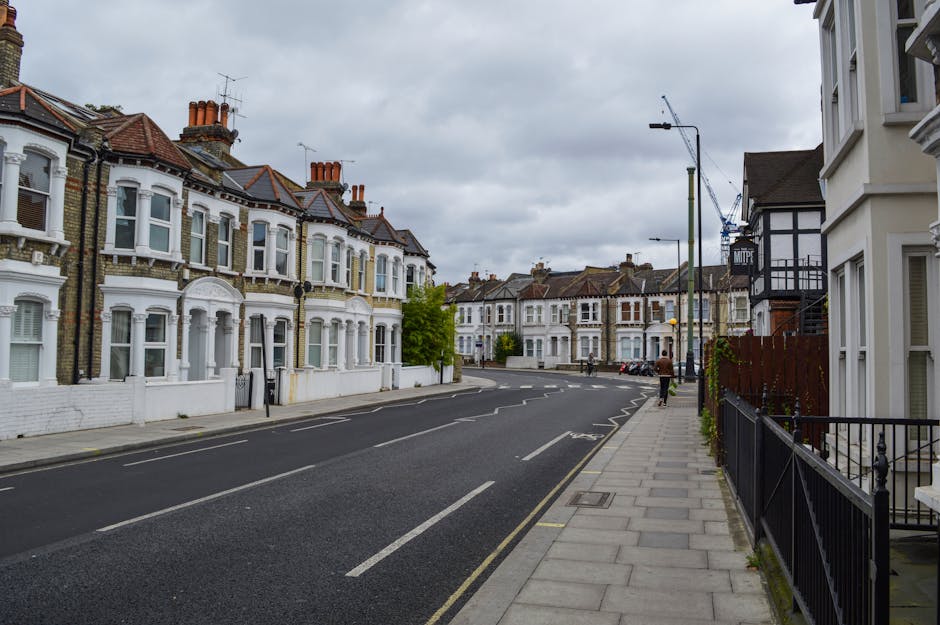
Wimbledon Village has a character that people love: older buildings, attractive streets, and a more intimate feel than many parts of London. That charm, though, comes with a moving-day headache. Roads may be narrower, turning space can be limited, and there may be pressure from parking restrictions, pedestrians, cyclists, and neighbours who still need to get through. In a normal area, you can sometimes improvise. In a narrow street, improvising is how furniture ends up scraped or a move runs late.
The issue is not only the width of the road. It is the whole access picture. Can a van stop safely without blocking traffic? Is there a place to load without carrying a sofa half a street? Are there steps, a basement entrance, a tight hallway, or a shared driveway? These details decide whether a move feels calm or chaotic.
There is also the social side of it. Narrow streets tend to make everyone more aware of what is happening outside their door. A move that is organised, polite, and quick is usually received much better than one that looks unplanned. That is one reason experienced teams often recommend booking the right size vehicle and not simply the biggest one available. Bigger is not always better. Sometimes it is just clumsier.
For many customers, the real benefit of planning properly is peace of mind. You know where the van will stop, how the team will carry items, and what happens if the property access is tighter than expected. That is a lot of uncertainty removed before the day even starts.
How Removals Wimbledon Village narrow street moves Works
A good narrow-street move starts before the van arrives. The process usually begins with a quick discussion of the property layout, the street width, any parking limitations, and the size of the load. From there, the move is matched to the most suitable vehicle and team size. For some homes, a removal van is the ideal choice. For others, especially where access is awkward but the load is lighter, a smaller man with a van setup works better.
On moving day, the crew usually aims to park as close as safely possible, then carries items in a controlled sequence. The first items out are often the largest or most awkward: wardrobes, beds, white goods, or anything that needs two people. Boxes and loose items follow. That order matters because once the big pieces are out, the rest of the property suddenly feels less crowded and the exit route opens up.
If the street is too tight for safe stopping, the team may need to work from a nearby loading point. That is normal in London. It is not ideal, but it is manageable if everyone knows in advance. In practice, a few extra walking steps are much better than trying to squeeze a vehicle where it does not fit. Little things like this sound obvious afterwards, but on the day they make a huge difference.
Some moves are straightforward enough to complete in one go, while others are broken into stages. For example, you might move the main furniture first and then collect packed boxes later, or use temporary storage if completion dates do not line up. That sort of flexibility can save the day when keys are delayed or renovation work is still underway. Happens more often than people expect, honestly.
Key Benefits and Practical Advantages
The biggest benefit of planning narrow-street removals properly is control. You are reducing the number of moving parts, and that tends to reduce the stress as well. But there are several other advantages worth calling out.
- Safer handling: shorter carry distances and a clear route reduce the chance of dropped items, twisted backs, and damaged door frames.
- Better timekeeping: when parking, access, and load order are thought through, the move tends to run to schedule more reliably.
- Less disruption: a tidy, efficient operation is less likely to upset neighbours or block the street for long periods.
- More suitable vehicle choice: the move can be matched to the street, which matters more than people often realise.
- Lower risk of damage: careful planning protects bannisters, corners, flooring, and the items themselves.
There is also a financial angle. A move that runs smoothly often avoids wasted labour time. That does not mean narrow-street moves are always cheap, because access challenges do add complexity. But good planning can stop those challenges turning into avoidable delays, which is where costs tend to creep up. If you want to compare options early, the page on pricing and quotes is a sensible place to start.
Expert summary: In narrow Wimbledon Village streets, the goal is not merely to move items from A to B. The goal is to move them safely, legally, and with as little friction as possible. The best move is usually the one that looks boring on the day. That is a compliment, by the way.
Who This Is For and When It Makes Sense
This kind of move makes sense for anyone dealing with a property where access is limited or the street layout makes standard loading awkward. That includes:
- homeowners moving from terraced houses or period properties
- flat dwellers with narrow stairwells or tight entrances
- landlords arranging tenant moves between lets
- students moving in or out of shared accommodation
- small businesses shifting equipment, files, or furniture
- people moving bulky items such as pianos or large furniture
It is especially relevant if you have already looked at the street and thought, "Well, that's going to be interesting." That instinct is often correct. A move also makes sense as a specialist narrow-street job if you are handling an awkward time slot, such as school-run hours, early morning deliveries, or a move where neighbours will be coming and going throughout the day.
For homeowners, the most common scenario is a full house removals job with a mixture of boxes, furniture, and fragile items. For smaller properties, flat removals may be enough. For companies, office removals or broader commercial moves may need more careful timing because staff access and business hours can add another layer of pressure.
Step-by-Step Guidance
If you want the move to feel organised rather than improvised, follow a simple sequence. It does not need to be fancy. Just disciplined.
- Check access early. Look at road width, turning space, steps, and where a van could safely stop. If needed, measure the widest awkward point, like a gate or hallway.
- Decide what is moving. Make a clear list of large items, fragile pieces, and anything that may need dismantling. A move feels much more manageable once the load is visible on paper.
- Match the vehicle to the street. A smaller man with van setup may suit one property, while another will benefit from a larger moving truck approach. The street decides more than the wish list does.
- Pack in load order. Put essentials, paperwork, and valuables aside first. Then group items by room so unloading is quicker at the other end.
- Prepare the property. Protect flooring, clear entryways, and reserve space near exits. If boxes are stacked in random corners, the crew has to waste time working around them.
- Confirm timing. Tell everyone when the van is due, where it should park, and who will hand over keys or help with access.
- Use extra support if needed. If packing is not finished, consider packing and boxes or packing and unpacking services to reduce last-minute chaos.
- Do a final sweep. Check cupboards, loft spaces, sheds, and under beds. You would be surprised how often one important bag gets left behind in a quiet corner.
A practical tip: keep a small essentials box with phone chargers, kettle items, basic cleaning supplies, and documents. On moving day, that one box can feel like gold dust when you are standing in a mostly empty room and the kettle is the only thing you can think about.
Expert Tips for Better Results
There are a few things experienced movers tend to do instinctively, and they really are worth copying.
First, avoid overloading the first run. In narrow streets, a packed van is harder to manoeuvre and slower to unload. If the load is borderline, split it more intelligently rather than forcing everything into one trip.
Second, label boxes with destination rooms, not just contents. "Books" is fine. "Books - upstairs study" is better. The crew can place items quickly, and you will thank yourself later when the floor is not covered in random piles.
Third, think about weather. A damp morning can make pavements slippery and furniture harder to handle. Even a light drizzle changes how careful everyone needs to be. London weather, bless it, loves to keep things interesting.
Fourth, keep a buffer in the schedule. Narrow street moves often take a little longer than they would in a wide-open road. That is not a failure; it is normal. Build in breathing space, especially if you have a completion deadline.
Fifth, choose the service level that matches the job. If you only need a small load moved, a lighter service can be efficient and cost-conscious. If you need a complete property move with heavy items, then a fuller removal services package usually makes more sense.
And one more thing. Try not to become emotionally attached to the idea that the biggest van is automatically the smartest choice. I know, it feels powerful. But a slightly smaller vehicle that can access the street cleanly often wins every time.
Common Mistakes to Avoid
A lot of moving-day problems come from assumptions. The move looked simple in theory, so the planning got simplified too much. That is where things slip.
- Assuming parking will be easy: in narrow Wimbledon Village streets, parking often needs to be thought through rather than guessed.
- Leaving packing too late: last-minute packing leads to mixed-up rooms, missing items, and more time spent searching than moving.
- Choosing the wrong vehicle size: too large can be awkward; too small can mean extra trips. There is a sweet spot.
- Ignoring stairs and doorways: a sofa may fit in the van but not around the hallway turn. That happens, yes.
- Not protecting fragile items: mirrors, lamps, and screens need proper wrapping or they become a stress point.
- Forgetting storage options: if keys, repairs, or handover timings do not match, temporary storage can prevent a rushed and messy solution.
Another common issue is under-communicating. If a driver is arriving to a street with restrictions, it helps to explain them clearly ahead of time. Likewise, if there are access codes, basement doors, or awkward shared entrances, say so early. It is much easier to adjust before the move than halfway through it.
Tools, Resources and Recommendations
You do not need specialist moving equipment in every case, but a few basic tools make a big difference. Even in a small move, the right kit can save time and reduce strain.
| Tool or resource | Why it helps | Best for |
|---|---|---|
| Sturdy boxes | Protects items and stacks safely in the van | Books, kitchenware, clothes, files |
| Bollard straps or blankets | Reduces rubbing and surface damage | Furniture, doors, tables |
| Labels and marker pens | Makes unloading faster and more organised | Whole-home or office moves |
| Furniture covers | Protects against dust and minor scuffs | Sofas, mattresses, chairs |
| Dismantling tools | Helps with beds, desks, and wardrobes | Bulky items with fixed frames |
| Temporary storage | Solves timing gaps between move-out and move-in | Delayed completions, renovations, downsizing |
It is also sensible to look at service pages that match your particular situation. For example, student removals can be a good fit for smaller, budget-conscious moves, while piano removals are essential where the item is heavy, valuable, and awkward to handle. If you are moving furniture only, furniture removals or even furniture pick up may be more appropriate than a full house move.
Law, Compliance, Standards, or Best Practice
Narrow-street moves in London often sit at the intersection of convenience, safety, and local rules. You do not need to become an expert in transport management, but it does help to understand the basics. For example, any move should respect parking restrictions, loading limitations, access rights, and neighbour safety. If a road is busy or tightly restricted, the move may need to be staged or timed carefully.
Best practice also means keeping people safe while carrying items. That includes good lifting technique, clear communication between movers, and sensible protection for floors and walls. Many moving problems are not dramatic. They are just small slips: a narrow turn taken too quickly, a box lifted from the wrong angle, a van parked where it should not have been. Small things. Big consequences.
If you are comparing providers, ask about insurance and safety, and check their published approach to health and safety. It is also worth reading terms and conditions so you know what is included, what happens if access changes on the day, and how delays are handled. Clear expectations are underrated.
For customers who care about responsible disposal, recycling and sustainability matters too. Moving is often a chance to reduce waste, re-home unwanted items, and avoid sending perfectly usable furniture to landfill. That feels better, and to be fair, it usually keeps the move tidier as well.
Options, Methods, or Comparison Table
Not every narrow-street move needs the same setup. The right method depends on the load, the property, and the access. Here is a simple comparison to help you think it through.
| Method | Best for | Strengths | Limitations |
|---|---|---|---|
| Man and van | Small to medium loads, flexible access | Agile, practical, often well suited to tight streets | May need multiple trips for larger homes |
| Dedicated removal van | Standard home or flat moves | Good balance of space and manoeuvrability | Can still be tricky if the road is extremely tight |
| Larger moving truck | Heavier or larger moves with planned access | More capacity in fewer trips | Less convenient on narrow roads and tight turns |
| Split move with storage | Moves with timing gaps or phased handovers | Reduces pressure when dates do not line up | Needs extra coordination and planning |
In plain English: if access is the hardest part, flexibility wins. If volume is the hardest part, capacity wins. And if you are juggling both, you may need a more tailored combination of services rather than one standard package. That is not overcomplicating it. It is just being honest about the street you are moving on.
Case Study or Real-World Example
Picture a typical Wimbledon Village move on a weekday morning. A couple is leaving a first-floor flat with a sofa, dining table, mattress, several boxes of books, and a couple of fragile lamps. The road is narrow, cars are parked on both sides, and there is only a short window before the school run picks up pace. Not ideal. But manageable.
Instead of bringing in a huge vehicle and hoping for the best, the move is planned around a smaller van, with the most awkward items loaded first. Boxes are grouped by room, and the couple keeps an essentials bag with documents, chargers, tea supplies, and one very important coffee tin. The van parks in the safest available spot, the carry distance is kept short, and the whole move is finished without blocking the street for long.
The little win in this sort of move is not dramatic. Nobody cheers. There is no confetti, thankfully. But the flat is cleared, the furniture arrives intact, and the customers are not drained by avoidable stress. That is what a good narrow-street move looks like in real life.
Practical Checklist
Use this checklist a day or two before the move. It keeps the moving day simpler than you might think.
- Measure or visually confirm access points, stairs, and door widths
- Check parking and loading options near the property
- Confirm the type of vehicle needed
- Pack fragile items separately and label them clearly
- Prepare an essentials box for the first night
- Disassemble furniture where practical
- Protect floors, corners, and bannisters if needed
- Arrange storage if move-out and move-in dates do not align
- Share access details, keys, and entry codes in advance
- Keep phones charged and available on moving day
Useful reminder: if a job feels borderline for access, say so early. A short conversation before the move can prevent a long delay during it.
Conclusion
Removals in Wimbledon Village narrow streets are all about preparation, not luck. Once you understand the access challenges, the whole process becomes more manageable. The right vehicle, the right timing, the right packing order, and the right level of support can turn a potentially stressful day into something far more controlled.
Whether you are moving a flat, a family home, a piano, or a small office setup, the principle stays the same: respect the street, plan the carry, and keep the move simple where you can. The rest tends to follow. And when it is done well, moving day feels less like a battle and more like a clean handover. That is the aim, really.
Get a free quote today and see how much you can save.
If you are still weighing up the best fit, it can help to learn more about the team behind the move on the about us page, or review payment and security before booking. A bit of reassurance goes a long way when you are moving through a tight street with a full day ahead of you.
Frequently Asked Questions
What makes Wimbledon Village narrow street moves different from a standard removal?
The main difference is access. Narrow roads, limited parking, tighter turns, and more careful loading all add complexity. A standard removal can sometimes rely on bigger vehicles and faster parking, but in Wimbledon Village the street itself often shapes the whole plan.
Do I need a smaller van for a narrow street move?
Not always, but a smaller or more agile vehicle often works better. The best choice depends on the amount you are moving, the road layout, and whether there is a safe loading point. In many cases, a smaller van is more practical than a larger truck.
How far in advance should I plan a narrow street removal?
As early as you can, especially if your move is tied to a completion date or a fixed handover. Early planning gives you time to assess access, arrange packing, and choose the right vehicle without rushing at the end.
What if the van cannot stop right outside my property?
That is common in tight London streets. The move can usually still go ahead from a nearby safe stopping point, but you should expect a slightly longer carry distance. Good planning helps keep that from becoming a problem.
Are narrow street moves more expensive?
They can be, because access challenges may require more time, more care, or a more suitable vehicle. That said, clear planning can reduce wasted labour and help keep the cost sensible. The easiest way to know is to request a tailored quote.
Can you move large furniture in a narrow street area?
Yes, but it may require careful handling, dismantling, or a more suitable load plan. Items like wardrobes, sofas, and beds are often manageable if the route from property to vehicle is clear and well prepared.
Should I use storage if my dates do not line up?
If there is a gap between leaving one property and getting into the next, storage can be a very practical solution. It avoids rushed decisions and makes the move easier to stage. Sometimes that is the calmest option, even if it feels like an extra step.
What packing mistakes cause the biggest delays?
Mixed-up boxes, unfinished packing, and poor labelling are the biggest time-wasters. If items are scattered through the property or fragile goods are not properly wrapped, the whole move slows down. Clear room labels help a lot.
Can narrow street moves work for offices as well as homes?
Absolutely. Office moves often need a bit more timing discipline because access can affect staff, deliveries, and business hours. A careful plan and the right vehicle are just as important for offices as they are for houses.
How do I know whether I need removals or a man and van service?
If you have a larger property, lots of furniture, or several rooms to clear, a fuller removals service may be the better fit. If the load is smaller or more flexible, a man and van setup may be enough. The deciding factor is usually volume plus access.
What should I check before moving day?
Check parking, access routes, box labelling, fragile items, furniture dismantling needs, and any timing issues with keys or handover. It sounds like a lot, but once you tick those off, the rest becomes much easier to manage.
Who should I contact if I still have questions about my move?
If you need tailored help, use the contact us page. If you want to understand how a company handles issues after booking, the complaints procedure is also useful reading. A little clarity upfront can save a lot of head-scratching later.