Southfields removals tips for flats above shops
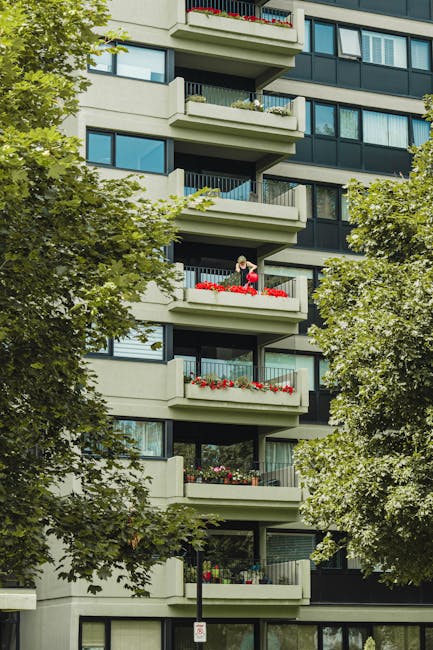
Moving out of a flat above a shop in Southfields can feel like a game of Tetris with a staircase, a front door that never quite stays open, and a van parked somewhere it probably should not be. The good news? With the right plan, it becomes far more manageable. These Southfields removals tips for flats above shops are designed to help you stay organised, protect your belongings, and avoid the small access issues that can turn moving day into a long, sweaty headache.
Whether you are leaving a compact studio above a parade of shops near the station or a larger split-level flat with a narrow stairwell and awkward landing corners, the main challenge is usually the same: access. In this guide, you will find practical steps, common mistakes, compliance pointers, and real-world advice that makes the process easier. If you want a broader look at move types, it may also help to read about flat removals, man and van support, or packing and boxes before you start.
Why Southfields removals tips for flats above shops Matters
Flats above shops are not like standard residential moves. That sounds obvious, but in practice people still underestimate how different they are. You may be dealing with tighter stairways, shared entrances, late-opening businesses downstairs, limited kerb space, and the odd awkward moment when a fridge or wardrobe simply will not pivot at the top of the stairs. Truth be told, that is where most delays start.
In Southfields, local streets can be busy at peak times, and shopfront access often means you are not the only person trying to use the pavement, the road edge, or the doorway. That matters because removal work needs space, timing, and clear communication. If your move is rushed, you can end up carrying things further than expected, blocking a business entrance, or taking risks on the stairs. None of that is ideal.
These tips are especially useful if your move includes heavier furniture, narrow hallways, or a landlord who expects the property handed back in a tidy state. A well-planned flat move is usually calmer, quicker, and less expensive in practical terms because fewer things go wrong. That is really the heart of it.
Expert summary: For flats above shops, the winning formula is simple: measure access early, pack in smaller manageable loads, reserve time for stairs and parking, and keep a realistic backup plan. The move is rarely about strength alone; it is about sequencing.
How Southfields removals tips for flats above shops Works
A successful flat-above-shop removal usually follows a predictable pattern. First, you assess access. Then you decide what can be dismantled, what needs specialist handling, and what should be moved in what order. After that comes parking, loading, protection, and finally the actual transfer into the new property. Sounds straightforward. It often isn't, but it can be made straightforward.
The key difference is access management. A van may not be able to stop directly outside, especially if a shop needs the frontage clear or if the street is already tight. So the move may involve carrying items from the flat to the vehicle in stages. This is where good packing and decent planning make a huge difference. A box that is just a little too heavy on the third flight of stairs becomes a problem very quickly.
Many households also choose a service that fits the scale of the job. For example, a lighter move might suit removal van support, while a full flat move could be better handled through removals or a more tailored removal service. If you are still deciding between options, the right choice often comes down to how many stairs, how much furniture, and how much time you realistically have.
In plain English: the move works best when the access plan is treated as seriously as the packing plan. They are inseparable, really.
Key Benefits and Practical Advantages
Planning properly for a flat above a shop is not just about avoiding stress, though that helps. It also creates some very practical benefits that are easy to overlook in the rush to get boxes taped up before dinner.
- Less handling damage: fewer rushed turns on stairs means fewer scuffs, chips, and drops.
- Better timing: when access is mapped out, the move tends to run to a more realistic schedule.
- Lower physical strain: smaller, smarter loads are easier on your back and easier on the team helping you.
- Fewer disruptions to businesses below: good timing avoids awkward clashes with shop opening hours.
- Cleaner handover: if you are moving out of a rental, planning helps you leave the flat in good shape.
There is also a calmer emotional benefit. Moves above shops can feel cramped and noisy, with footsteps echoing on stairwells and doors sticking at precisely the wrong moment. When you know the route, know the loading point, and know which items are going first, the whole day feels more controlled. That matters more than people admit.
If storage is part of the picture, especially with an awkward gap between moving out and moving in, a short-term solution can take the pressure off. In that case, browsing storage options may be worth doing early rather than after you have already started packing the kitchen.
Who This Is For and When It Makes Sense
This guide is for anyone moving from or into a flat above shops in Southfields. That includes tenants, first-time renters, long-term residents, students, professionals, and small business owners living above a commercial unit. It is also useful if you are helping a family member who has a stubborn sofa, a lot of books, or one of those beds that somehow weighs more than a small car.
It makes sense to use these tips when:
- the flat is on an upper floor with no lift
- the stairwell is narrow or shared
- you need to avoid peak trading hours for the shop below
- parking is limited or hard to predict
- you are moving bulky furniture through tight corners
- you want the move to happen in one day rather than across several tiring trips
If you are moving on a tight schedule, you may also want to consider same-day removals. That is not always necessary, of course, but it can be useful when a tenancy handover, completion time, or sudden change of plan leaves very little room for error.
Students and short-term renters often face the same access issues, just with fewer boxes and more last-minute packing. If that sounds familiar, student removals can be a sensible way to keep things simple without overbooking a large vehicle.
Step-by-Step Guidance
Let's make this practical. Here is a move sequence that works well for flats above shops, especially when access is tight and time matters.
- Survey the access properly. Measure doorways, stair widths, bannisters, ceiling height on landings, and any awkward corners. If a wardrobe needs to be tilted, you want to know that before move day.
- Check parking and loading options. Think about where the vehicle can stop, how far the carry distance is, and whether the shop below has busy delivery times.
- Sort and reduce before packing. There is no point paying to move five boxes of things you have not used in years. Donate, recycle, or discard anything you no longer need.
- Pack by weight, not just by room. Books, crockery, and tools should go into smaller boxes. Keep heavier items at a safe lifting weight. Common sense, but worth saying.
- Dismantle where sensible. Beds, shelving, table legs, and some wardrobes are easier to move in parts. Keep screws in labelled bags.
- Protect floors and shared areas. Use covers or runners where appropriate. In a narrow stairwell, one little scrape can become everyone's problem.
- Load in a deliberate order. Put the heaviest and least fragile pieces in first, then add boxes in a way that prevents shifting.
- Move the essentials last on the outbound side, first on the inbound side. A kettle, phone charger, basic bedding, and toiletries should be easy to reach when you arrive.
There is a small but important detail here: keep an "open first" bag or box. It sounds trivial. It isn't. After a long day of stairs and doorways, finding your toothbrush without rummaging through four identical cartons feels like a win.
Expert Tips for Better Results
Here is where experience pays off. Most flat-above-shop moves go smoother when you respect the building, the timing, and the load sizes. The better moves are rarely the fastest at the start; they are the best organised.
Choose smaller boxes for awkward buildings
In buildings with narrow stairs, it is usually smarter to use more small boxes than a few oversized ones. Smaller boxes are easier to rotate on landings and less likely to catch on bannisters or door frames. A box that looks tidy in the lounge can become a nuisance halfway down the stairs. Happens all the time.
Protect the route, not just the furniture
Many people think only about wrapping the sofa. But the route matters too. Shared corridors, communal steps, and shop entrances below can all benefit from a bit of protection. That helps avoid disputes and keeps the move looking professional, even if you are doing it yourself.
Work around shop hours
If you can, avoid the busiest trading window underneath. A quiet early start or a mid-afternoon slot can sometimes be easier than squeezing through a lunchtime rush. The best timing depends on the business below, of course, but a brief conversation with the shop manager can save a lot of awkwardness.
Keep fragile items in a separate decision bucket
Glassware, mirrors, and electronics deserve their own packing plan. Fragile items should not be mixed into the same box as heavy items or loose tools. That seems obvious, yet it is one of the most common last-minute errors people make when energy is low and the tape gun has vanished again.
Use the right moving support level
Not every flat move needs the same setup. A simple one-bedroom move may work well with a flexible man with van arrangement, while a bigger or more complicated move may need a fuller team. If you are comparing options, removal companies and removal truck hire may be worth reviewing against your access and volume requirements.
Common Mistakes to Avoid
Most problems in flats above shops are predictable. That is the annoying bit, because they are usually avoidable too.
- Underestimating stair difficulty: the stairs may look fine at first glance, but the turning space tells a different story.
- Packing boxes too heavy: especially books, files, and kitchenware. Heavy boxes are slow, dangerous, and hard to stack.
- Leaving access checks until the morning of the move: by then, a parking issue becomes a time issue.
- Ignoring business opening times below: this can create friction that no one needs.
- Forgetting insurance and safety questions: if something unexpected happens, you want to know what is covered.
- Not measuring furniture properly: a sofa that fits in the lounge does not automatically fit round the stairwell corner.
One of the biggest mistakes is assuming the move will just "work itself out." It rarely does. Good removals are full of small decisions that prevent bigger problems. The actual carrying is often the easy bit.
You should also avoid leaving all packing until the night before. It sounds brave. It usually ends in a bin bag full of cables, two missing chargers, and a mug wrapped in a tea towel. Not ideal.
Tools, Resources and Recommendations
You do not need a mountain of specialist kit for a flat-above-shop move, but a few practical items make life much easier.
- Strong tape and tape gun: ordinary tape peels off when boxes get moved repeatedly.
- Marker pens and labels: label both the room and the contents.
- Furniture blankets or padding: useful for protecting doors, tables, and polished surfaces.
- Small trolley or sack truck: helpful where stair access is not the main issue but distance is.
- Floor protection: especially if the weather is wet and people are moving in and out all day.
- Toolkit: screwdrivers, Allen keys, and a small zip bag for fixings.
If you want support with packing rather than just transport, packing and unpacking services can save a lot of energy, especially for larger or more delicate homes. For a more hands-on approach, packing and boxes is a useful place to think through what you need before the move date arrives.
For items you are not taking with you, you may also need a plan for disposal or collection. Pages such as furniture removals and furniture pick up can be relevant if you are clearing old pieces before leaving a flat above shops. And yes, that tired chest of drawers in the corner can finally go.
Law, Compliance, Standards and Best Practice
For most people, the main compliance concerns are simple and sensible: safety, access, property care, and fair communication. If your move involves shared areas, it is best practice to avoid causing obstruction or damage. In many cases, the building owner, landlord, or business downstairs may also have expectations about timings, access routes, and the use of communal spaces.
When working in a mixed-use building, it is wise to think about the practical side of duty of care. That means keeping stairways clear where possible, using suitable lifting methods, and not forcing items through spaces they clearly do not fit. If a lift is available in another type of building, it should be used according to building rules; if not, stairs need to be treated with extra care. Simple, but important.
Insurance is another part people sometimes skip over. If you are hiring help, check what is covered, how claims are handled, and what the expectations are for packing fragile items. A reliable provider should be able to explain this clearly. You can review general guidance on insurance and safety and, if you want to understand the business's wider operating standards, the health and safety policy is a useful reference point.
Finally, if your move is tied to a tenancy end or a building handover, keep your paperwork and move timings in order. That is not glamorous. It is just one of those adulting things that quietly saves a lot of hassle.
Options, Methods, or Comparison Table
There is no single best way to move a flat above a shop. The right method depends on how much you are moving, how awkward the access is, and how much help you want on the day. Here is a simple comparison to help you think it through.
| Method | Best for | Strengths | Trade-offs |
|---|---|---|---|
| Self-move with a hired van | Small moves, experienced packers, tight budgets | Lower cost, flexible timing | More physical effort, more planning burden |
| Man and van support | Medium-sized flat moves and quick loading | Useful balance of help and value | May still require some lifting from you |
| Full removal service | Heavier furniture, difficult stair access, larger flats | Less stress, more structured handling | Usually more expensive than a basic van-only option |
| Storage-first move | Delayed completion or temporary gap between homes | Creates breathing room and reduces pressure | Extra handling and possibly extra cost |
If you are unsure which route suits you, compare the total effort, not just the headline price. Sometimes the cheapest option ends up being the least convenient, and on move day convenience is worth a lot. Maybe more than we like to admit.
Case Study or Real-World Example
Here is a realistic example. A tenant in a Southfields flat above a small parade of shops had a bedroom set, a two-seater sofa, four book boxes, kitchen gear, and a desk that had to come apart. The stairwell was narrow, the front entrance opened directly onto the pavement, and the shop below needed a clear doorway by 9 a.m.
The move went smoothly because three things were done early. First, the bed and desk were dismantled the night before. Second, the boxes were packed by weight, not by room, which kept the book boxes manageable. Third, the loading window was set for early morning, before the street got busy. That meant less waiting, less awkward shuffling at the entrance, and fewer chances for scuff marks on the stair edges.
Nothing dramatic happened, which is exactly what you want. The only slightly funny moment was a kettle that turned up in the "books" box label because someone had written too quickly. Still, the day stayed controlled, and the flat was cleared without any last-minute panic.
The takeaway? A modest, well-planned move often beats a rushed, overcomplicated one every time.
Practical Checklist
Use this checklist a day or two before the move.
- Measure stair widths, door frames, and any tight corners
- Confirm the parking or loading spot
- Check if the shop below has busy hours to avoid
- Label boxes by room and priority
- Pack fragile items separately
- Dismantle large furniture where sensible
- Keep tools, fixings, and charger cables in one bag
- Prepare floor protection for shared areas
- Set aside an essentials box for the first night
- Keep important documents and keys with you
- Review insurance and booking details before the day
If you are moving a large household, or the stairs are particularly awkward, it may be worth using a more established team through home moves or a broader removals service rather than trying to make a small vehicle do a big job. A bit of realism goes a long way.
Conclusion
Moving from a flat above shops in Southfields is rarely about brute force. It is about patience, planning, and taking the building seriously enough to work with it instead of against it. Once you understand access, timing, packing weight, and the space around the staircase, the whole job becomes much less daunting.
The best Southfields removals tips for flats above shops are the simple ones: measure first, pack smart, protect the route, and give yourself enough time. That alone prevents a surprising amount of stress. And if you want support that matches the size of the move, it is worth looking at the options carefully rather than guessing on the morning.
Get a free quote today and see how much you can save.
With a steady plan and the right help, even a cramped upstairs move can end on a good note. One box at a time. That's usually how it goes.
Frequently Asked Questions
What makes flats above shops harder to move than normal flats?
They often have tighter access, shared entrances, narrow stairs, and limited parking or loading space. You also need to be more mindful of the business below, which can affect timing and noise.
How far in advance should I plan a Southfields flat move?
As early as you reasonably can. Even a small move benefits from checking access, parking, and packing needs a few days ahead. For larger moves, more notice is much better.
Should I dismantle furniture before moving day?
Usually yes, if the items are bulky or awkward to turn on stairs. Beds, tables, and shelving often move more safely in parts. Keep the fixings in labelled bags so reassembly is not a nightmare.
What boxes should I use for stairs and narrow landings?
Smaller, sturdier boxes are usually the best choice. They are easier to carry, less likely to break, and safer to manoeuvre around corners. Heavy items should never be overpacked just to save box count.
Do I need special permission to load outside a shop?
That depends on the location and the exact setup, so it is wise to check access arrangements in advance. If the frontage is shared or the street is busy, communication matters a great deal.
Is a man and van enough for a flat above shops?
Sometimes, yes. If the move is smaller and the access is manageable, a flexible van-based option can be ideal. If the furniture is heavy or the stairs are difficult, a fuller service may be more practical.
How do I protect walls and stair rails during the move?
Use padding, move carefully in smaller loads, and plan the route before lifting anything. Protection is especially useful on narrow stairs where people naturally brush against the same spots again and again.
What should I pack in an essentials box?
Put in toiletries, kettle or basic tea supplies, phone chargers, medication, documents, a change of clothes, and bedding for the first night. It makes the arrival much calmer.
Can storage help if my move-out and move-in dates do not match?
Yes, very often. Short-term storage can reduce pressure and stop you from rushing decisions. It is especially helpful if completion dates shift or the new flat is not quite ready.
How can I avoid upsetting the shop downstairs?
Keep noise down where possible, avoid blocking entrances, and choose a sensible loading time. A quick courtesy conversation can prevent a lot of friction later.
What if my sofa or wardrobe will not fit through the stairwell?
Measure first, then decide whether dismantling is possible. If it cannot be taken apart safely, you may need to look at another route, a different vehicle setup, or moving the item through a more appropriate service plan.
Where can I find more help with flat moves and packing?
You can explore relevant pages such as flat removals, packing and unpacking services, and pricing and quotes to help you compare your options and plan the move with a bit more confidence.